


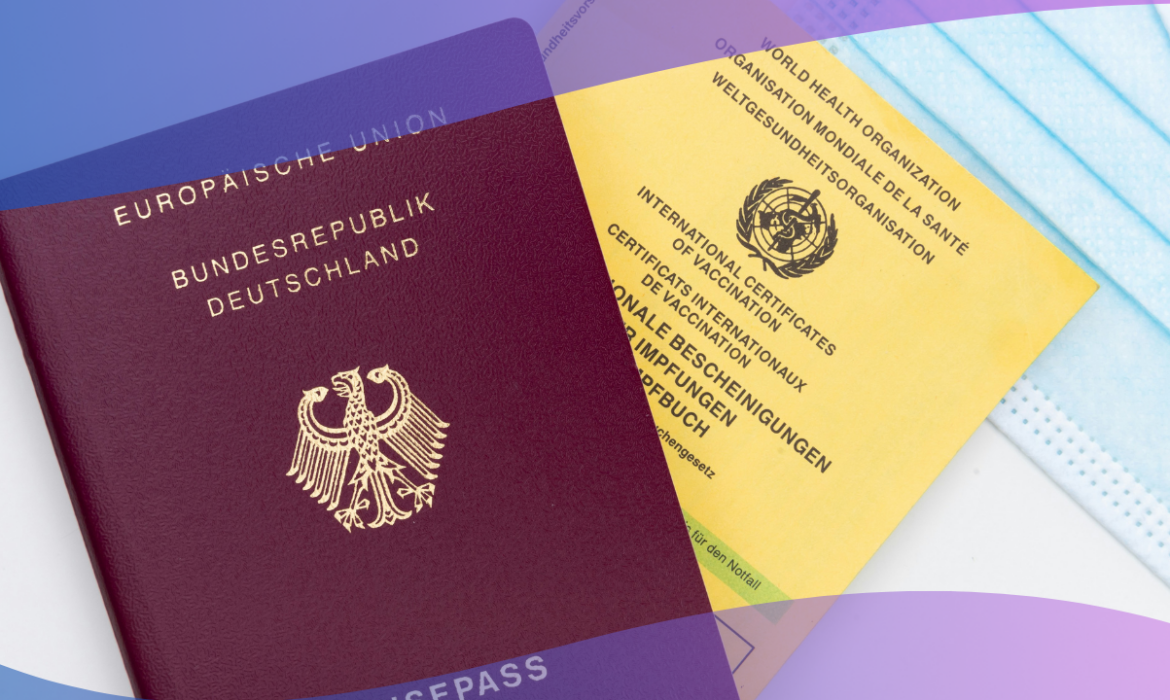
Germany is one of the most attractive destinations for skilled professionals around the world. With a strong economy, high-quality education, and excellent work-life balance, it’s no surprise that many people are looking to start their careers here. One of the best ways to work legally in Germany as a non-EU citizen is through the EU Blue Card. This post will walk you through everything you need to know about the EU Blue Card, from eligibility to application and beyond.
What is the EU Blue Card?
The EU Blue Card is a residence permit for highly skilled non-EU nationals who want to work and live in Germany. It allows professionals to stay in Germany for an extended period while enjoying many benefits, such as family reunification rights, access to social services, and a clear pathway to permanent residency.
Who is Eligible?
To qualify for the EU Blue Card in Germany, you generally need:
A recognized university degree or equivalent qualification.
A job offer in Germany with a minimum annual salary (which is adjusted yearly; currently around €56,800, or €44,304 for shortage occupations like IT, engineering, or healthcare).
Health insurance coverage valid in Germany.
If you meet these criteria, you’re already on your way to a successful application.
Step 1: Prepare Your Documents
A complete and accurate application is crucial. You will need:
Valid passport
Job offer or employment contract
Proof of professional qualifications and degree recognition
Curriculum vitae (CV) or resume
Proof of health insurance
Completed application forms
It’s highly recommended to have your documents translated into German (if they aren’t already) and certified when necessary.
Step 2: Submit Your Application
You can apply for the EU Blue Card either from your home country at a German consulate or embassy, or after arriving in Germany if you are legally allowed to enter on another visa. The application process usually involves:
Filling out the application forms
Submitting all required documents
Paying the application fee
Attending an in-person appointment at the immigration office
Processing times can vary, but it typically takes 4–12 weeks for your application to be approved.
Step 3: After Approval
Once your EU Blue Card is approved:
You can live and work in Germany for the duration of the card (usually 1–4 years, depending on your employment contract).
Family members can apply for residency and work rights alongside you.
After 33 months of holding a Blue Card (or 21 months if you have strong German language skills), you may apply for permanent residency.
Benefits of the EU Blue Card
Legal work and residence in Germany
Easier family reunification
Access to social benefits and healthcare
Pathway to permanent residency and citizenship
Recognition of professional qualifications across the EU (with some restrictions)
Tips for a Successful Application
Double-check your documents – Missing paperwork is the most common reason for delays.
Have your degree recognized – Use the ANABIN database to verify your qualifications.
Secure a qualified job offer – Your job must meet the salary and skill requirements.
Consider professional assistance – Immigration lawyers can help avoid mistakes and speed up the process.
The EU Blue Card is an excellent opportunity for skilled professionals looking to build a career in Germany. While the process may seem daunting at first, understanding the eligibility criteria, preparing your documents carefully, and following each step ensures a smooth application. With the right preparation and guidance, you can start your professional journey in Germany confidently and enjoy all the benefits that come with living and working in one of Europe’s most dynamic countries.
AI Innovation is revolutionizing industries, redefining our interactions with technology, enhancing efficiency, and opening up new avenues for businesses.

Kate Johnson
ux expert
As your budget progresses and evolves, continue referring to your SMART objectives. Stay focused and remember your goals – they will always inform what your next step will be!

